
Understanding nursing lab values is crucial for patient care, and readily accessible resources like PDFs are invaluable tools. These documents consolidate
critical high and low values, aiding in swift interpretation and informed clinical decisions. Reference ranges, often differing by facility,
are essential for accurate assessment, particularly when utilizing resources like the Pharmacotherapy Self Assessment Program PDF.
Importance of Understanding Lab Values
Accurate interpretation of nursing lab values is paramount for effective patient management. These values serve as objective indicators of a patient’s physiological state, guiding diagnosis, treatment planning, and monitoring of therapeutic interventions. A solid grasp of normal ranges, as often detailed in comprehensive PDF guides, allows nurses to quickly identify deviations that may signal underlying health issues.
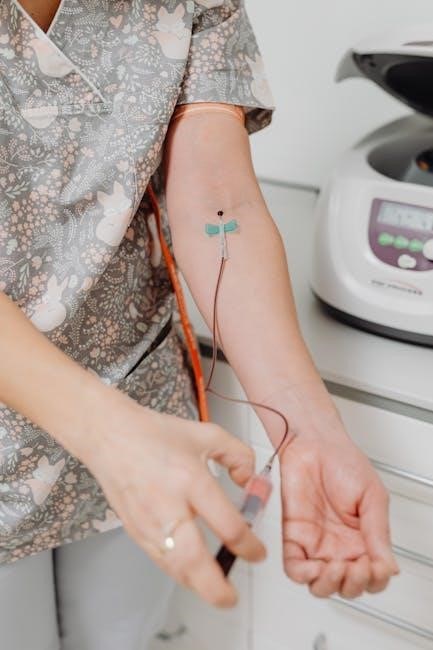
Prompt recognition of critical high or low results – information frequently compiled in facility-specific PDFs – is vital for timely intervention, potentially preventing adverse events. Utilizing resources like those from Mayo Clinic Health System and the International Association of Providers of AIDS Care ensures nurses are equipped with current, reliable reference intervals. Furthermore, understanding factors influencing lab results, such as altitude, age, and sex, enhances the accuracy of assessment and contributes to holistic patient care. PDFs offer a convenient, portable format for quick reference at the point of care.
Scope of this Guide (PDF Focus)
This guide centers on providing a concise overview of essential nursing lab values, with a particular emphasis on utilizing readily available PDF resources. We will explore key hematology, chemistry, and lipid panel values, referencing typical ranges found in documents like the Pharmacotherapy Self Assessment Program (PSAP) PDF. The focus is on practical application for nurses, enabling efficient interpretation of lab reports.
The guide acknowledges that normal values can vary between facilities – a point highlighted by resources from Mayo Clinic Health System – and encourages nurses to consult site-specific PDFs for accurate reference intervals. We will touch upon factors influencing these values, such as altitude, as detailed in sources like Dean L. Blood Groups and Red Cell Antigens Internet. This isn’t an exhaustive list, but rather a foundational resource designed to enhance understanding and promote safe, effective nursing practice. The aim is to empower nurses with the knowledge to confidently utilize PDF-based lab value references.
Hematology Lab Values
Hematology tests, detailed in PDFs, assess blood cells. Key values include hemoglobin, hematocrit, WBC count, neutrophils, lymphocytes, and platelets, crucial for diagnosis.
Complete Blood Count (CBC) Overview
The Complete Blood Count (CBC) is a foundational hematological assessment, frequently referenced in nursing lab value PDFs. It provides a comprehensive evaluation of cellular components within the blood, offering vital insights into a patient’s overall health status. A typical CBC analyzes red blood cells (RBCs), white blood cells (WBCs), and platelets, each contributing unique diagnostic information.
PDF resources often present a tabular format detailing normal ranges for each component. RBC indices, like hemoglobin and hematocrit, assess oxygen-carrying capacity. WBC differential, breaking down neutrophils, lymphocytes, monocytes, eosinophils, and basophils, indicates immune function and potential infection. Platelet count evaluates clotting ability.
Understanding these values, as outlined in accessible PDFs, is paramount for nurses. Deviations from normal ranges can signal anemia, infection, inflammation, bleeding disorders, or even leukemia. Accurate interpretation, guided by reliable PDF references, facilitates timely intervention and improved patient outcomes. The provided information is often specific to testing locations.
Hemoglobin (Hgb), Normal Ranges
Hemoglobin (Hgb), the oxygen-carrying protein in red blood cells, has specific normal ranges detailed in nursing lab value PDFs. These ranges are often sex-specific, with males typically exhibiting higher levels. According to referenced materials, the normal range for males is 13.5-17.5 g/dL, while females generally fall between 12-16 g/dL. These values, readily available in PDF format, serve as crucial benchmarks for assessing oxygenation status.
PDF resources emphasize that deviations from these ranges can indicate various conditions. Low hemoglobin levels suggest anemia, potentially caused by iron deficiency, blood loss, or chronic disease. Conversely, elevated hemoglobin may indicate polycythemia, dehydration, or certain lung conditions.

Nurses utilize these PDF-provided ranges to quickly identify abnormalities and initiate appropriate interventions. Accurate Hgb assessment, guided by reliable PDF references, is vital for monitoring patients with respiratory issues, bleeding disorders, or chronic illnesses, ensuring optimal patient care and timely treatment adjustments.
Hematocrit (Hct) — Normal Ranges
Hematocrit (Hct), representing the percentage of red blood cells in total blood volume, is a key value found in nursing lab value PDFs. These PDFs typically present ranges alongside hemoglobin levels, as they are closely related. Normal Hct ranges, as indicated in referenced materials, generally fall between 4.5-11 x106/µL, though specific values can vary slightly between laboratories.
PDF resources highlight that Hct levels are also sex-dependent. Deviations from the normal range, easily identified using PDF guides, can signal underlying health issues. A low Hct suggests possible anemia or fluid overload, while a high Hct may indicate dehydration or polycythemia.
Nurses rely on these readily available PDF references to quickly assess a patient’s blood volume and oxygen-carrying capacity. Accurate Hct interpretation, facilitated by accessible PDF resources, is essential for monitoring patients with bleeding, fluid imbalances, or conditions affecting red blood cell production, supporting effective clinical decision-making.

White Blood Cell (WBC) Count — Normal Ranges
White Blood Cell (WBC) count, a critical component of the Complete Blood Count (CBC) detailed in nursing lab value PDFs, indicates the body’s ability to fight infection. Normal ranges, consistently presented in these PDF resources, typically fall between 4.5 and 11 x106/µL. These PDFs serve as quick references for nurses to assess immune function.
PDF guides emphasize that WBC counts can fluctuate based on various factors, making accurate interpretation crucial. Elevated WBC counts (leukocytosis) often signal infection, inflammation, or stress, while decreased counts (leukopenia) may indicate immunosuppression or bone marrow disorders.
Nurses utilize these readily available PDF references to monitor patients undergoing chemotherapy, experiencing infections, or with autoimmune conditions. Understanding normal WBC ranges, as outlined in these PDFs, is fundamental for identifying potential complications and initiating appropriate interventions, ultimately improving patient outcomes and ensuring timely care.
Neutrophils ⎻ Normal Ranges
Neutrophils, a type of white blood cell crucial for fighting bacterial infections, have specific normal ranges detailed in nursing lab value PDFs. These PDFs typically indicate a normal range of 57-67% for neutrophils, often further broken down into segmented neutrophils (Segs) with a range of 54-62% and bands (immature neutrophils) at 3-5%.
These PDF resources are vital for nurses as deviations from these ranges can signify significant clinical conditions. Elevated neutrophil counts (neutrophilia) often indicate acute bacterial infection, while decreased counts (neutropenia) can result from chemotherapy, bone marrow suppression, or certain medications.
PDF guides emphasize the importance of monitoring neutrophil levels, particularly in immunocompromised patients. Nurses rely on these readily accessible references to quickly assess a patient’s inflammatory response and guide appropriate interventions, such as antibiotic administration or protective isolation, ensuring optimal patient care and safety.
Lymphocytes ⎻ Normal Ranges
Lymphocytes, key players in the adaptive immune system, exhibit normal ranges typically outlined in comprehensive nursing lab values PDFs. These resources generally define a normal lymphocyte range as 23-33% of the total white blood cell count. Understanding these values is critical for nurses assessing a patient’s immune status and response to illness.
PDF guides highlight that elevated lymphocyte counts (lymphocytosis) can indicate viral infections, such as mononucleosis, or certain leukemias. Conversely, decreased lymphocyte counts (lymphopenia) may be observed in patients with HIV/AIDS, autoimmune disorders, or undergoing immunosuppressive therapy.
Nurses utilize these PDF references to quickly interpret lab results and collaborate with physicians on appropriate treatment plans. Monitoring lymphocyte levels is particularly important in patients receiving chemotherapy or those with compromised immune systems, allowing for proactive management and minimizing the risk of opportunistic infections.
Platelet Count ⎻ Normal Ranges
Platelets, essential for blood clotting, have a normal range typically detailed in nursing lab values PDFs as 150-450 x109/L (or 150,000-450,000/µL). These PDF resources are vital for nurses to quickly reference expected values when assessing a patient’s risk for bleeding or thrombosis.
A platelet count below 150,000/µL is considered thrombocytopenia, potentially indicating conditions like immune thrombocytopenic purpura (ITP), disseminated intravascular coagulation (DIC), or medication side effects. Conversely, a count exceeding 450,000/µL (thrombocytosis) may suggest inflammation, infection, or myeloproliferative disorders.
Nurses rely on these readily available PDFs to identify abnormal platelet counts and promptly report them to the healthcare team. Accurate interpretation is crucial, as both thrombocytopenia and thrombocytosis can lead to serious complications, necessitating appropriate interventions and close patient monitoring.

Chemistry Lab Values
Chemistry panels, detailed in nursing lab values PDFs, assess organ function and electrolyte balance. Key tests include glucose, sodium, potassium, BUN, and creatinine,
essential for comprehensive patient evaluation.
Basic Metabolic Panel (BMP) Overview
The Basic Metabolic Panel (BMP) is a group of eight blood tests providing vital insights into body chemistry and metabolic function. Nursing lab values PDFs frequently highlight the BMP as a cornerstone of initial patient assessment. This panel typically includes glucose, calcium, electrolytes (sodium, potassium, chloride, bicarbonate), and kidney function markers – Blood Urea Nitrogen (BUN) and creatinine.
Understanding the BMP is crucial for identifying imbalances related to fluid balance, kidney health, and glucose regulation. Abnormal results can indicate conditions like dehydration, kidney disease, diabetes, or electrolyte disturbances. PDF resources often present normal ranges alongside potential clinical implications of deviations.
Nurses utilize BMP results to monitor treatment effectiveness, assess patient response to interventions, and guide further diagnostic testing. Accurate interpretation, aided by readily available PDF guides, is paramount for optimal patient care. Variations in reference ranges may exist between laboratories, emphasizing the importance of facility-specific guidelines.
Glucose — Normal Ranges
Glucose measurement, a key component of the Basic Metabolic Panel, reflects blood sugar levels and is vital for assessing carbohydrate metabolism. Nursing lab values PDFs consistently emphasize glucose as a critical indicator for diagnosing and monitoring diabetes. Normal fasting glucose levels generally fall below 100 mg/dL (less than 5.6 mmol/L). Levels between 100-125 mg/dL indicate prediabetes, while 126 mg/dL or higher on two separate tests suggest diabetes.
Postprandial (after-meal) glucose levels are also important; values typically peak within 1-2 hours after eating. PDF resources often detail acceptable postprandial ranges, usually below 140 mg/dL.
Nurses monitor glucose levels to evaluate treatment efficacy in diabetic patients, identify hyperglycemia (high blood sugar), and hypoglycemia (low blood sugar). Prompt recognition and intervention based on these values, guided by PDF references, are essential to prevent complications; Understanding these ranges is fundamental for safe and effective patient care.
Sodium (Na) ⎻ Normal Ranges
Sodium, a crucial electrolyte, plays a vital role in fluid balance, nerve transmission, and muscle function. Nursing lab values PDFs consistently highlight sodium as a key component of the Basic Metabolic Panel (BMP). Normal serum sodium levels typically range between 135-145 mEq/L (milliequivalents per liter). Maintaining this balance is critical for overall health.
Hyponatremia, defined as a sodium level below 135 mEq/L, can result from excessive water intake, certain medications, or underlying medical conditions. Conversely, hypernatremia, with levels exceeding 145 mEq/L, often stems from dehydration or kidney issues.

Nurses utilize PDF resources to quickly identify abnormal sodium levels and understand potential causes. Monitoring sodium levels is particularly important in patients with heart failure, kidney disease, or those receiving diuretic therapy. Prompt intervention, guided by these reference ranges, is essential to prevent neurological complications and maintain fluid homeostasis.
Potassium (K) — Normal Ranges
Potassium is an essential electrolyte vital for maintaining cellular function, particularly in nerve and muscle cells, including the heart. Nursing lab values PDFs emphasize potassium as a critical component of the Basic Metabolic Panel (BMP). The typical normal range for serum potassium is 3.5 to 5.0 mEq/L (milliequivalents per liter).
Hypokalemia, a potassium level below 3.5 mEq/L, can arise from diuretic use, vomiting, or diarrhea, potentially leading to cardiac arrhythmias. Conversely, hyperkalemia, exceeding 5.0 mEq/L, often indicates kidney dysfunction or certain medication side effects, posing a serious risk of life-threatening heart complications.
Nurses rely on readily available PDF guides to quickly assess potassium levels and recognize deviations from the normal range. Careful monitoring is crucial for patients on medications affecting potassium balance, and prompt intervention is necessary to correct imbalances and safeguard cardiac health.
Calcium (Ca) ⎻ Normal Ranges
Calcium plays a pivotal role in numerous physiological processes, including bone health, nerve transmission, and muscle contraction. Nursing lab values PDFs consistently highlight calcium as a key analyte within the Basic Metabolic Panel (BMP). The standard normal range for total serum calcium typically falls between 8.5 to 10.5 mg/dL (milligrams per deciliter).
Hypocalcemia, a calcium level below 8.5 mg/dL, can stem from conditions like hypoparathyroidism or vitamin D deficiency, potentially causing muscle spasms and tetany. Conversely, hypercalcemia, exceeding 10.5 mg/dL, may indicate hyperparathyroidism or malignancy, leading to weakness, constipation, and altered mental status.
Nurses utilize PDF resources to efficiently interpret calcium levels and identify abnormalities. Monitoring calcium is particularly important for patients with renal disease or those receiving medications impacting calcium metabolism. Prompt recognition and management of calcium imbalances are essential for preventing serious complications.
Blood Urea Nitrogen (BUN) — Normal Ranges
Blood Urea Nitrogen (BUN) is a crucial lab value assessed within the Basic Metabolic Panel (BMP), frequently detailed in nursing lab values PDFs. It measures the amount of urea nitrogen in the blood, a waste product created in the liver and eliminated by the kidneys. Normal BUN ranges generally fall between 8 to 20 mg/dL (milligrams per deciliter) for adults, though variations can occur.
Elevated BUN levels may indicate impaired kidney function, dehydration, or increased protein intake. Conversely, low BUN could suggest liver disease, overhydration, or malnutrition. Accurate interpretation requires considering the patient’s overall clinical picture.
Nurses rely on PDF references to quickly understand BUN ranges and potential implications. Monitoring BUN is vital for patients with renal insufficiency, heart failure, or those receiving diuretic therapy. Recognizing abnormal BUN levels facilitates timely intervention and improved patient outcomes.
Creatinine — Normal Ranges
Creatinine is a key indicator of kidney function, routinely included in the Basic Metabolic Panel (BMP) and detailed within comprehensive nursing lab values PDFs. It’s a waste product from muscle metabolism, filtered by the kidneys and excreted in urine. Normal creatinine ranges typically fall between 0.6 to 1.2 mg/dL for adult females and 0.8 to 1.4 mg/dL for adult males, though slight variations exist.
Elevated creatinine levels strongly suggest impaired kidney function, potentially due to kidney disease, dehydration, or muscle breakdown. Low creatinine is less common but can indicate reduced muscle mass or severe liver disease.
Nurses utilize PDF resources to quickly reference creatinine norms and understand clinical significance. Monitoring creatinine is essential for patients with diabetes, hypertension, or those taking nephrotoxic medications. Prompt recognition of abnormal levels allows for timely intervention and optimized patient care.

Lipid Panel Lab Values
Lipid panels, detailed in nursing lab values PDFs, assess cholesterol and triglycerides. Understanding normal and high ranges—total cholesterol <200 mg/dL—is vital for cardiovascular risk assessment.
Total Cholesterol — Normal & High Ranges
Total cholesterol levels are a cornerstone of cardiovascular risk assessment, and readily available in nursing lab values PDFs. A normal range is generally considered less than 200 mg/dL (or less than 5.2 mmol/L), indicating a lower risk of heart disease. However, interpretation must be individualized, considering other risk factors.
Values between 200-239 mg/dL are considered borderline high, prompting lifestyle modifications like diet and exercise. A level of 240 mg/dL or higher is classified as high cholesterol (6.2 mmol/L or greater), significantly increasing the risk of heart attack and stroke.
These ranges, often detailed in resources like the American College of Clinical Pharmacy’s Pharmacotherapy Self Assessment Program PDF, serve as a guide. Nurses must remember that optimal levels vary based on individual patient profiles and co-morbidities. Consistent monitoring and patient education are key components of managing cholesterol levels effectively.
HDL Cholesterol ⎻ Normal Ranges
High-density lipoprotein (HDL) cholesterol, often termed “good” cholesterol, plays a protective role against heart disease. Nursing lab values PDFs consistently highlight the importance of maintaining adequate HDL levels. A normal and desirable range for HDL cholesterol is generally between 40-60 mg/dL (or 1.0-1.6 mmol/L).
Higher HDL levels (above 60 mg/dL) are associated with a reduced risk of cardiovascular disease, as HDL helps remove other forms of cholesterol from the bloodstream. Conversely, low HDL levels (less than 40 mg/dL in men and less than 50 mg/dL in women) increase the risk.
Resources like the Pharmacotherapy Self Assessment Program PDF provide these crucial reference ranges for quick access. Nurses should emphasize lifestyle interventions – diet, exercise, and smoking cessation – to optimize HDL levels. Understanding these values, as detailed in lab value guides, is vital for comprehensive patient care and preventative strategies.
LDL Cholesterol ⎻ Normal Ranges
Low-density lipoprotein (LDL) cholesterol, frequently called “bad” cholesterol, contributes to plaque buildup in arteries, increasing cardiovascular risk. Nursing lab values PDFs emphasize the significance of monitoring and managing LDL levels effectively. A normal LDL cholesterol level is generally considered to be less than 160 mg/dL (or less than 4.2 mmol/L).
Optimal levels are even lower, aiming for less than 100 mg/dL for individuals at high risk of heart disease. Elevated LDL levels (160-189 mg/dL) are considered above optimal, while levels of 190 mg/dL and above are considered very high.
Pharmacotherapy Self Assessment Program PDFs and similar resources provide these critical benchmarks for clinical interpretation. Nurses play a key role in educating patients about dietary modifications, exercise, and medication adherence to lower LDL and reduce cardiovascular risk, utilizing readily available lab value guides.

Triglycerides ⎻ Normal Ranges
Triglycerides represent a type of fat in the blood, and elevated levels are linked to increased risk of heart disease, especially when combined with low HDL cholesterol and high LDL cholesterol. Nursing lab values PDFs are essential for quickly referencing appropriate triglyceride ranges. A normal triglyceride level is considered to be less than 150 mg/dL.
Borderline high levels range from 150-199 mg/dL, while high triglycerides fall between 200-499 mg/dL. Levels of 500 mg/dL or higher are classified as very high and require immediate medical attention due to the increased risk of pancreatitis.
Resources like the American College of Clinical Pharmacy’s Pharmacotherapy Self Assessment Program PDF provide these crucial thresholds. Nurses utilize these values to assess patient risk, educate on lifestyle modifications – diet and exercise – and monitor the effectiveness of lipid-lowering therapies.
Factors Affecting Lab Values
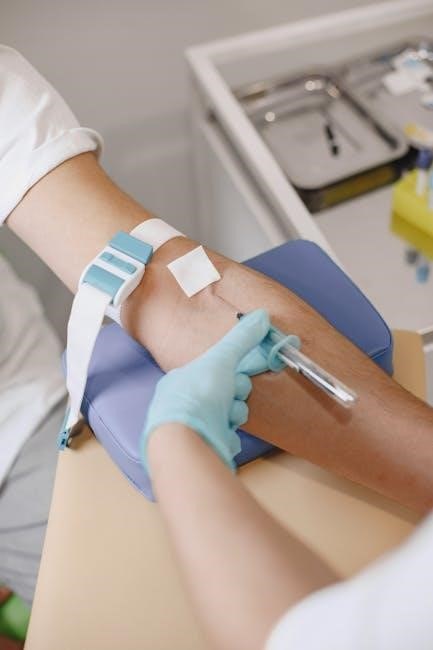
Numerous factors influence lab results; PDFs highlight altitude’s impact on hematology. Age, sex, and physiological state also cause variations, demanding careful interpretation for accurate patient assessment.
Altitude Considerations
Living at higher altitudes significantly impacts several lab values, a crucial point emphasized in many nursing lab value PDFs. Reduced atmospheric pressure leads to lower oxygen levels, triggering the body to compensate by increasing red blood cell production. This results in elevated hemoglobin (Hgb) and hematocrit (Hct) levels – values considered normal at altitude may be flagged as abnormal at sea level.
Consequently, nurses must consider a patient’s altitude of residence when interpreting CBC results. A seemingly high Hgb or Hct might simply reflect acclimatization to altitude, not necessarily polycythemia. Conversely, values may appear lower in individuals descending from high altitudes.
PDF resources often provide altitude-adjusted reference ranges, or guidance on how to interpret values in the context of a patient’s environment. Ignoring altitude can lead to misdiagnosis and inappropriate treatment. Therefore, awareness of these physiological adaptations is paramount for accurate assessment and patient safety, as detailed in resources like those from the National Center for Biotechnology Information.
Age and Sex Related Variations
Nursing lab value PDFs consistently highlight the importance of considering age and sex when interpreting results. Reference ranges aren’t universal; they vary significantly across the lifespan and between genders. For instance, normal hemoglobin (Hgb) levels differ between adult males (13.5-17.5 g/dL) and females (12-16 g/dL), a distinction frequently detailed in comprehensive lab value guides.
Infants and children exhibit different ranges for many parameters compared to adults, reflecting their ongoing growth and development. Elderly patients may also demonstrate altered values due to age-related physiological changes. For example, kidney function naturally declines with age, potentially impacting creatinine and BUN levels.
PDF resources often categorize reference ranges by age group and sex, facilitating accurate interpretation. Failing to account for these variations can lead to misdiagnosis. Therefore, nurses must consult age- and sex-specific ranges when evaluating lab results, ensuring patient-centered care and avoiding unnecessary interventions, as emphasized by resources like the International Association of Providers of AIDS Care.