Brinkmann Smoke N Grill User Manual: A Comprehensive Guide
This manual details operation‚ assembly‚ and maintenance for Brinkmann charcoal‚ electric‚ and propane models. Find guides‚ troubleshooting‚ and resources for optimal grilling and smoking.
The Brinkmann Smoke N Grill represents a legacy of backyard cooking‚ offering versatility as both a charcoal grill and a smoker. Originally gaining popularity in the 1950s‚ these units have evolved with options including electric and propane conversions. This guide serves as a comprehensive resource for owners‚ covering everything from initial assembly to advanced smoking techniques.
Whether you inherited a vintage model or recently acquired one‚ understanding its core functionalities is key. The Smoke N Grill’s adaptable design allows for direct grilling‚ indirect cooking‚ and low-and-slow smoking‚ catering to diverse culinary preferences. This manual aims to unlock the full potential of your Brinkmann‚ ensuring delicious results every time. Explore the community resources for shared knowledge and support!
Historical Overview & Model Variations
Brinkmann’s journey began with a focus on durable‚ affordable grills and smokers‚ becoming a staple in American backyards. Early models‚ dating back to the 1950s‚ were primarily charcoal-fueled‚ known for their robust construction and simple design. Over time‚ Brinkmann expanded its offerings to include variations like the CookN Cajun line and the Stillwater models‚ each with slight design differences.
A significant innovation was the introduction of electric conversion kits‚ allowing users to switch from charcoal to consistent electric heat – ideal for extended smoking sessions. Propane versions also emerged‚ offering convenience and precise temperature control. Understanding your specific model is crucial‚ as features and assembly may vary. This historical context highlights Brinkmann’s adaptability and enduring appeal.
Understanding the Core Components
The Brinkmann Smoke N Grill centers around several key parts. Grill grates provide the primary cooking surface‚ while the charcoal pan houses the fuel source. Efficient fuel management is vital for temperature control. The smoker stack and its ventilation control are crucial for regulating airflow‚ impacting both temperature and smoke flavor.
These components work in tandem; adjusting vents influences airflow to the charcoal‚ affecting heat. The smoker stack directs smoke circulation. Familiarizing yourself with each part – its function and how it interacts with others – is essential for successful grilling and smoking. Proper understanding unlocks the full potential of your Brinkmann.
Grill Grates & Cooking Surfaces
Brinkmann Smoke N Grill models typically feature porcelain-coated cast iron grill grates‚ offering excellent heat retention and preventing food from sticking. These surfaces are ideal for direct grilling‚ searing‚ and achieving those desirable grill marks. The size and configuration of the cooking area vary depending on the specific model – some offer multiple tiers for versatile cooking.
Regular cleaning is crucial to maintain grate performance. Removing food residue prevents flare-ups and ensures even heat distribution. Consider using a grill brush after each use. Proper seasoning helps protect the cast iron and further enhances its non-stick properties‚ contributing to a superior cooking experience.
Charcoal Pan & Fuel Management
The Brinkmann Smoke N Grill utilizes a charcoal pan to contain the fuel source‚ simplifying ash removal and providing a dedicated space for combustion. Effective fuel management is key to temperature control; arranging charcoal for direct or indirect heat impacts cooking results. Using a charcoal chimney starter is recommended for quick‚ even ignition‚ avoiding lighter fluid flavors;
Monitor charcoal levels throughout the cook‚ adding more as needed to maintain desired temperatures. Different charcoal types (briquettes vs. lump) offer varying burn times and heat outputs. Proper ventilation‚ adjusted via the dampers‚ regulates airflow and influences burn rate. Safe ash disposal is essential after cooling.

Smoker Stack & Ventilation Control
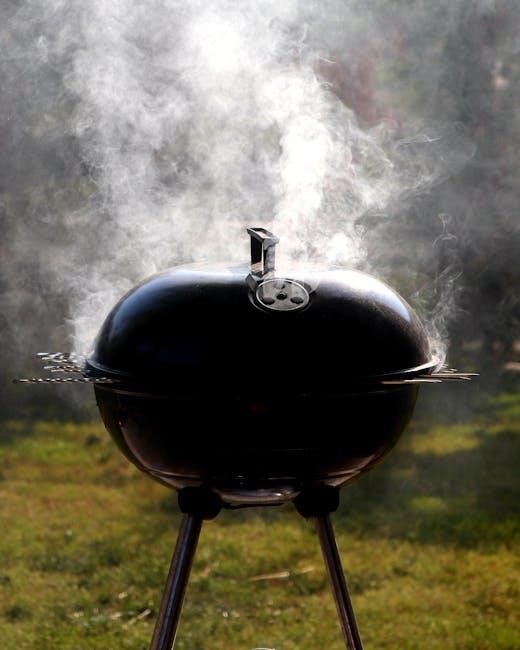
The Brinkmann Smoke N Grill’s smoker stack is crucial for regulating airflow‚ directing smoke circulation‚ and controlling internal temperature. Adjusting the stack damper allows for precise ventilation‚ impacting both heat and smoke intensity. Opening the damper increases airflow‚ raising temperature and promoting a faster burn rate‚ while closing it reduces airflow for lower temperatures and longer smoking times.
Proper ventilation is vital for achieving consistent results and preventing excessive creosote buildup. Monitoring smoke color provides feedback on combustion efficiency; thin blue smoke indicates optimal burning‚ while thick white smoke suggests incomplete combustion. Experimentation with damper settings is key to mastering temperature control.
Assembly Instructions & Safety Precautions
Brinkmann Smoke N Grill assembly requires careful attention to the included instructions‚ ensuring all components are securely fastened. Prioritize a stable‚ level surface for operation‚ away from flammable materials. Safety is paramount: always wear heat-resistant gloves during assembly and operation.
Never use the grill indoors or in enclosed spaces due to carbon monoxide risk. Keep children and pets away during use. Inspect all parts before each use‚ replacing damaged components immediately. Be cautious of hot surfaces and avoid touching them without protection. Proper assembly and adherence to these precautions guarantee safe and enjoyable grilling.
Operating Instructions: Charcoal Grilling
Charcoal grilling with your Brinkmann begins with arranging charcoal in the pan‚ using a chimney starter for efficient ignition. Once embers glow‚ spread them evenly for consistent heat. Position grill grates‚ ensuring they are clean and oiled to prevent sticking.
Control cooking temperature by adjusting the vents – more air increases heat‚ less decreases it. Monitor the built-in thermometer for accurate readings. For direct grilling‚ place food over the heat source; for indirect‚ arrange it beside it. Always use caution when handling hot charcoal and grill components. Enjoy!
Operating Instructions: Smoking with Charcoal
Smoking with your Brinkmann requires a slightly different approach. Begin by layering charcoal in the pan‚ then add wood chunks directly onto the embers for smoke flavor. Maintain a low and consistent temperature‚ typically between 225-275°F‚ by carefully adjusting the vents.
Utilize a water pan to maintain humidity and enhance flavor. Monitor the internal temperature of the meat with a separate thermometer. Replenish wood chunks as needed throughout the smoking process. Patience is key – smoking takes time! Remember safety precautions when handling hot components.
Electric Conversion Kit Installation
Installing the Brinkmann electric conversion kit is straightforward. First‚ ensure the grill is completely cool and disconnected from any fuel source. Remove the existing charcoal pan. Then‚ carefully position the electric converter‚ ensuring proper alignment with the mounting points.
Place the provided wood chunk tray within the unit. Connect the electric element securely‚ following the kit’s wiring diagram. Double-check all connections before plugging in. The 1500-watt element provides consistent heat. Always consult the kit’s specific instructions for detailed guidance and safety precautions during installation.
Using the Electric Conversion Kit
Once installed‚ using the electric conversion kit is remarkably simple. Plug the unit into a grounded outlet. Add wood chunks to the metal tray for smoke flavor. The electric element heats consistently‚ ideal for long smoking sessions and cold weather.
Unlike charcoal‚ there’s no need for initial lighting or constant fuel adjustments. Simply set your desired temperature using the grill’s controls‚ and the element maintains it. This provides a convenient‚ consistent heat source. Enjoy effortless smoking with the plug-and-play functionality of your converted Brinkmann!
Temperature Control & Monitoring
Maintaining consistent temperature is crucial for successful smoking and grilling. Utilize the built-in thermometer to monitor the internal grill temperature accurately. Remember that thermometer placement can affect readings‚ so check multiple spots if possible.
Adjusting the vents is key to regulating heat. Opening vents increases airflow‚ raising the temperature‚ while closing them reduces airflow and lowers it. Experiment to find the optimal vent settings for your desired cooking temperature. Consistent monitoring and adjustments ensure perfectly cooked results every time with your Brinkmann.

Utilizing the Built-in Thermometer

The Brinkmann Smoke N Grill features a built-in thermometer‚ typically located on the lid‚ to monitor internal cooking temperature. Regularly check the thermometer during operation‚ but be aware of potential inaccuracies due to placement. The thermometer provides a general indication‚ not a precise measurement.
For more accurate readings‚ consider using a separate digital thermometer placed closer to the food. Remember that opening the lid releases heat‚ impacting the temperature. Minimize lid openings while monitoring. Consistent observation of the thermometer‚ combined with vent adjustments‚ will help you achieve desired cooking results.
Adjusting Vents for Temperature Regulation
Temperature control on the Brinkmann Smoke N Grill relies heavily on vent adjustments. Opening the vents increases airflow‚ boosting combustion and raising the temperature. Closing the vents restricts airflow‚ reducing heat. Experiment to find the optimal settings for your desired cooking temperature.
Typically‚ lower and slower cooking requires nearly closed vents‚ while searing or higher-temperature grilling needs vents fully open. Monitor the built-in thermometer while adjusting vents. Small adjustments yield significant temperature changes. Remember that wind direction can also affect airflow‚ influencing temperature stability. Consistent monitoring and adjustment are key.
Cleaning & Maintenance
Regular cleaning extends the life of your Brinkmann Smoke N Grill. After each use‚ allow the grill to cool completely before cleaning. Remove ash and debris from the charcoal pan‚ disposing of it safely in a metal container. Periodically scrub the grill grates with a wire brush to remove food residue.
Inspect the smoker stack for obstructions and clear as needed. Avoid abrasive cleaners that could damage the grill’s finish. Proper maintenance prevents rust and ensures optimal performance. A well-maintained grill delivers consistent cooking results and years of enjoyment.
Grill Grate Cleaning Procedures
Effective grate cleaning is crucial for food safety and flavor. After each use‚ while still warm (but cooled enough to handle safely)‚ use a sturdy wire brush to remove charred food particles. For stubborn residue‚ create a paste of baking soda and water‚ apply‚ let sit‚ then scrub.
Avoid harsh chemical cleaners‚ as they can leave behind harmful residues. Occasionally‚ remove the grates and soak them in warm‚ soapy water. Thoroughly rinse and dry before replacing. Properly cleaned grates prevent sticking and ensure even cooking. Regular maintenance extends grate lifespan.
Ash Removal & Disposal
Regular ash removal is vital for maintaining proper airflow and preventing flare-ups. Allow ashes to cool completely – this can take several hours‚ even overnight – before handling. Use a metal shovel and container specifically designed for ash disposal.
Never dispose of ashes in a plastic container or near flammable materials. Wet the ashes slightly to suppress dust. Once fully cooled‚ ashes can be safely disposed of in a metal container with a tight-fitting lid‚ away from your home and combustible items. Proper disposal minimizes fire hazards.
Troubleshooting Common Issues
Difficulty maintaining temperature often stems from insufficient fuel‚ improper vent control‚ or external factors like wind. Ensure adequate charcoal and adjust vents to regulate airflow. Uneven cooking results can be caused by inconsistent heat distribution. Rotate food during cooking and verify even charcoal spread.
If using an electric conversion kit‚ check the power supply and element functionality. For smoker models‚ ensure the smoker stack isn’t blocked. Regularly cleaning the grill and smoker components prevents buildup that impacts performance. Consult the FAQ section for further assistance.
Difficulty Maintaining Temperature
Maintaining consistent temperature can be challenging. Insufficient charcoal is a primary cause; add more fuel as needed. Improper vent adjustment drastically affects airflow and heat. Open vents increase oxygen‚ raising temperature‚ while closing them lowers it.
External conditions like wind significantly impact heat retention. Shield the grill from wind. When using the electric conversion kit‚ verify the element is functioning correctly and receiving power. For smoking‚ ensure a consistent heat source‚ utilizing wood chunks alongside charcoal. Monitor the built-in thermometer frequently.
Uneven Cooking Results
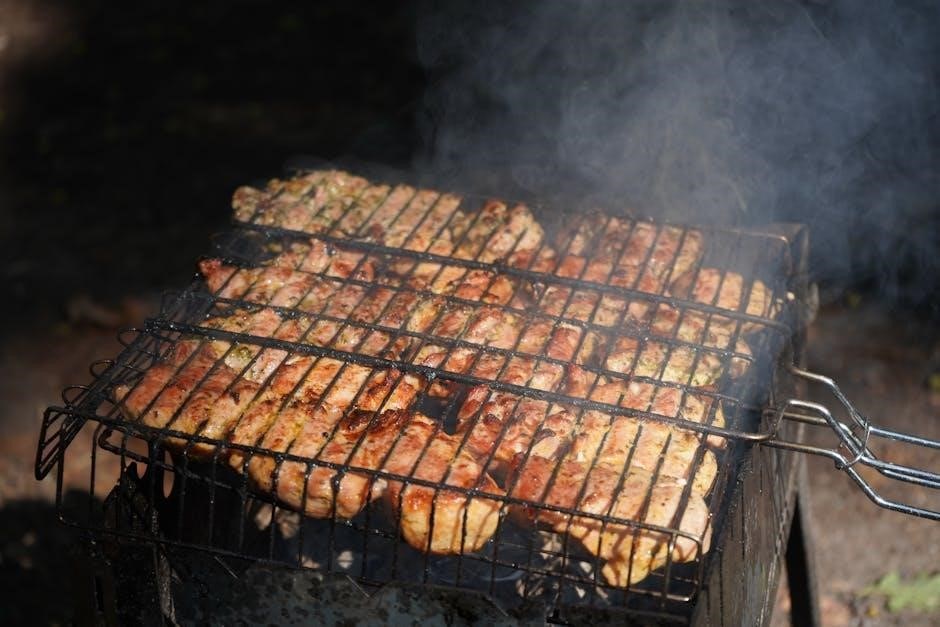
Uneven heating often stems from inconsistent charcoal distribution. Ensure coals are spread evenly across the charcoal pan before lighting. Hot spots develop when coals clump together. Rotate food periodically for uniform exposure. Check grill grate levelness; an uneven surface causes inconsistent heat.
Wind can create temperature variations across the cooking area. Shielding the grill helps. When smoking‚ ensure consistent smoke circulation. Avoid overcrowding the grill; allow sufficient space between food items for proper airflow. Regularly check and adjust vents to maintain balanced temperature distribution throughout the cooking chamber.
Fuel Types & Recommendations
Brinkmann Smoke N Grill models excel with various fuel sources; Traditional charcoal briquettes provide consistent heat for grilling and smoking. Lump charcoal offers higher temperatures and a cleaner burn‚ ideal for searing. For extended smoking sessions‚ especially in colder weather‚ consider the electric conversion kit – a 1500-watt element delivers steady‚ controlled heat.

Wood chunks (hickory‚ mesquite‚ apple) enhance flavor when smoking. Experiment to find your preference. Propane conversion kits‚ though less common‚ offer convenience. Always use high-quality fuel for optimal performance and flavor. Avoid lighter fluid; use a chimney starter for charcoal.
Recipes & Smoking Techniques
Brinkmann Smoke N Grill versatility shines with diverse recipes. Begin with classic BBQ – ribs‚ brisket‚ and pulled pork benefit from low and slow smoking using wood chunks like hickory or mesquite. For quicker meals‚ grill burgers‚ steaks‚ and chicken directly over charcoal. Experiment with marinades and rubs to customize flavors.
Smoking techniques include maintaining consistent temperatures (225-275°F) and utilizing the water pan for moisture. Consider the “3-2-1” method for ribs: 3 hours smoking‚ 2 hours wrapped‚ 1 hour unwrapped. Explore online forums and communities for inspiration and shared recipes tailored to your Brinkmann.
Finding Replacement Parts
Brinkmann parts availability can vary due to the age of some models. Online retailers specializing in BBQ and smoker parts are a good starting point. Search using your model number for accurate matches. Websites like Amazon and eBay often carry Brinkmann components‚ including grates‚ burners (for electric conversions)‚ and heat deflectors.
If original parts are unavailable‚ consider universal replacements that fit similar grills. Local hardware stores may stock common items like charcoal pans and thermometers. The Brinkmann community forums (see Resources) can offer advice on sourcing hard-to-find parts or suitable alternatives.
Brinkmann Smoke N Grill Community & Resources
Reddit’s r/smoking forum is a valuable resource‚ with users sharing experiences and advice on Brinkmann models‚ including electric conversions and troubleshooting. The Internet Archive hosts downloadable Brinkmann user manuals for various models‚ offering detailed instructions and diagrams. Online BBQ forums often have dedicated threads discussing vintage smokers like the Brinkmann.
These communities can assist with locating replacement parts‚ understanding modifications‚ and sharing recipes tailored to the Brinkmann. Searching online for “Brinkmann Smoke N Grill forum” will reveal additional dedicated groups and resources for owners seeking support and information.
Safety Guidelines & Warnings
Always operate the Brinkmann grill outdoors in a well-ventilated area‚ away from flammable materials. Never leave a lit grill unattended. Exercise extreme caution when handling hot surfaces – use heat-resistant gloves and tools. Ensure the grill is stable on a level surface before use to prevent tipping.
Proper ash disposal is crucial; allow ashes to cool completely before discarding them in a metal container. When using an electric conversion kit‚ adhere to all electrical safety precautions and avoid water exposure. Refer to the user manual for specific warnings related to your model.
Warranty Information
Brinkmann products are warranted against defects in materials and workmanship for a specified period from the date of purchase. The warranty duration varies depending on the component – typically‚ shorter periods apply to parts subject to normal wear and tear‚ like grates.
To make a warranty claim‚ retain your proof of purchase and contact Brinkmann customer support. The warranty does not cover damage resulting from misuse‚ improper assembly‚ accidents‚ or lack of maintenance. Modifications or alterations void the warranty. See the included warranty card for complete details and limitations.
Frequently Asked Questions (FAQ)
Q: Can I convert my charcoal model to electric or propane? A: Yes‚ Brinkmann offered electric conversion kits and some models were available in propane versions. Finding these kits now may require searching online marketplaces.
Q: Where can I find replacement parts? A: Online retailers specializing in grill parts are your best bet. Searching by model number is crucial. The Brinkmann community forums may also offer leads;
Q: How do I maintain consistent temperatures? A: Adjusting the vents is key. Experiment to find the optimal settings for your desired temperature and fuel type.